Introduction to Gardening Basics
Gardening is an enriching pursuit that combines creativity with the nurturing of living plants. It's a practice that promotes sustainability, offers a therapeutic connection with nature, and can yield fresh produce or beautiful blooms right at home. Many aspiring gardeners may feel overwhelmed by the vastness of information available. However, the fundamentals of Gardening can be understood and mastered with patience and practice. This guide will help demystify gardening, presenting everything from tools and techniques to problem-solving strategies.
Understanding the Importance of Gardening
The significance of gardening extends beyond aesthetic pleasure; it is a fundamental aspect of ecological health and personal wellness. Gardening improves air quality, supports biodiversity, and contributes to climate resilience. On a personal level, engaging in gardening can boost mental health, promote physical activity, and foster a sense of community. Moreover, growing your own vegetables and herbs benefits not only your palate but also your budget and overall health.
Essential Gardening Tools and Equipment
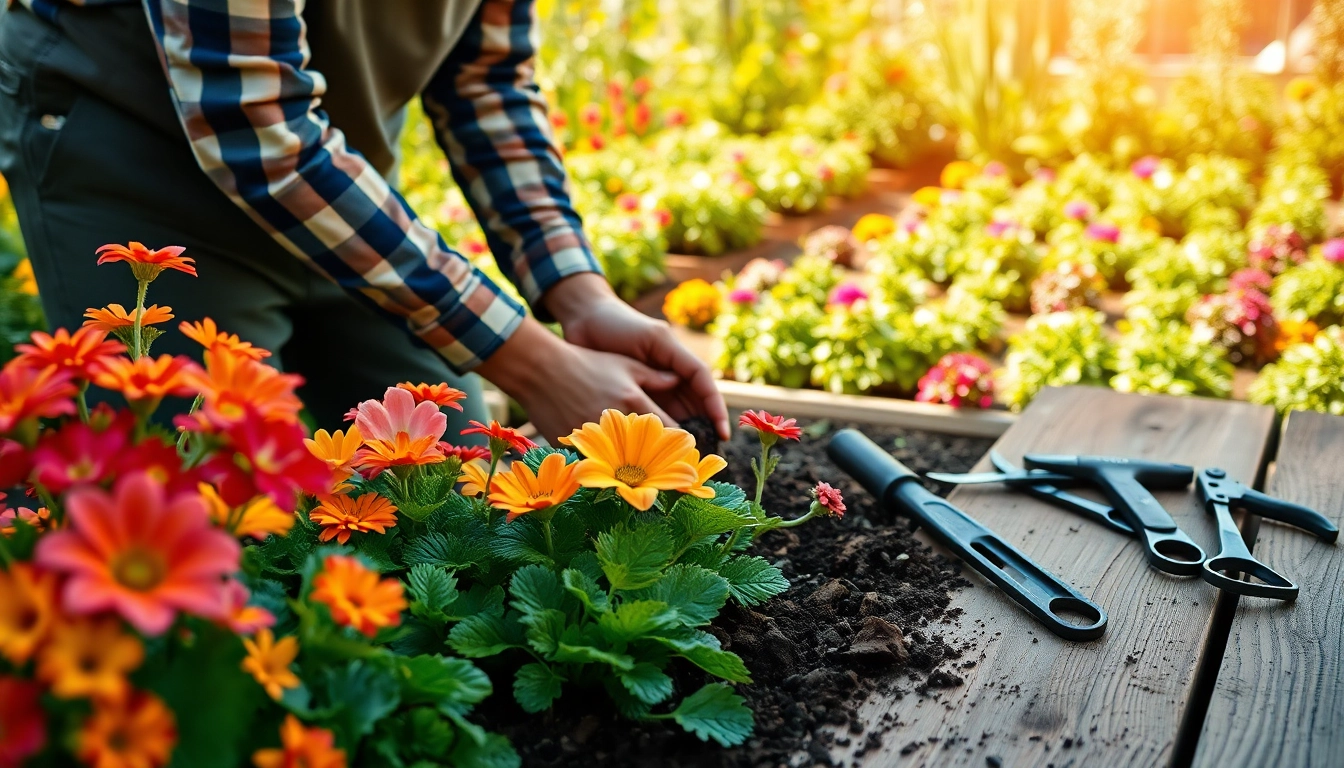
Starting your gardening journey requires a few essential tools. The right equipment can make tasks easier and more enjoyable:
- Hand trowel: Perfect for digging small holes, transferring plants, or mixing soil.
- Pruning shears: Ideal for trimming plants and ensuring healthy growth.
- Gloves: Protect your hands from dirt and scratches while working.
- Watering can: Essential for providing adequate moisture to your plants.
- Rake and hoe: Useful for preparing and maintaining your garden bed.
Investing in quality tools can enhance your gardening experience, ensuring efficient and effective maintenance of your green space.
Soil Preparation and Garden Design
Selecting the Best Soil for Gardening
Soil is the foundation of any garden, vital for plant health and growth. Not all soil types are created equal, so understanding the composition is key. Here are some fundamental aspects:
- Soil types: Sandy, clay, silt, and loamy soils all have different draining capabilities and nutrient compositions. Loamy soil is often considered the best for gardens due to its rich balance of sand, silt, and clay.
- Soil testing: Conducting a soil test can help determine pH levels and nutrient content, allowing for appropriate amendments.
- Amendments: Incorporating organic matter such as compost can enhance soil fertility, improving drainage and aeration.
Garden Layout: Planning Your Space
A well-thought-out garden layout can maximize space and yield. Here are some tips for effective planning:
- Sunlight exposure: Observe how sunlight moves across your garden space. Position plants according to their sunlight needs; taller plants should not overshadow shorter ones.
- Spacing: Allow adequate space between plants to reduce competition for nutrients and water, as well as to increase airflow.
- Design: Utilize design principles such as symmetry and repetition to create an appealing layout.
Incorporating Aesthetic Elements in Gardening
Aesthetics play a crucial role in gardening. Incorporating paths, borders, and focal points can enhance the beauty of your garden:
- Paths: Create walkable paths using gravel, mulch, or stones to guide visitors through your garden.
- Focal points: Statues, birdbaths, or unique plants can serve as focal points that draw the eye.
- Flower beds: Use a mix of annuals and perennials for year-round color and interest.
Planting Techniques and Care
Effective Planting Methods
Once your soil is prepared and your layout planned, it's time to plant. Various planting methods can impact your garden's success:
- Direct sowing: Planting seeds directly into the ground, suitable for crops like carrots and radishes.
- Transplanting: Starting seeds indoors and then moving them to the garden allows for an extended growing season.
- Companion planting: Certain plants can benefit each other's growth. For instance, planting basil with tomatoes can improve both plants' health.
Watering and Maintenance Best Practices
Caring for your plants requires consistent and informed watering practices:
- Deep watering: Water deeply and less frequently to encourage deep root growth.
- Morning watering: Watering in the morning reduces evaporation and allows plants to absorb moisture before the sun's peak.
- Mulching: Apply mulch to retain moisture and suppress weeds.
Fertilization: What Every Gardener Should Know
Providing adequate nutrition to your plants is essential for optimal growth:
- Organic fertilizers: Use compost, manure, or organic blends to enrich the soil naturally.
- Monitoring nutrient levels: Regularly testing soil can determine the need for additional fertilizers.
- Timing: Fertilize your plants according to their growth stages for maximum benefit.
Common Challenges in Gardening
Dealing with Pests and Diseases
Pests and plant diseases can greatly affect your garden's health:
- Integrated Pest Management (IPM): Combine cultural, biological, and chemical tools to control pests sustainably.
- Regular monitoring: Inspect plants frequently for signs of trouble, such as wilting or discoloration.
- Natural predators: Encouraging beneficial insects like ladybugs can help control pest populations.
Weather-Related Gardening Tips
Gardening is often at the mercy of the weather, so being prepared is crucial:
- Frost protection: Use row covers or cloches when frost is predicted to protect sensitive plants.
- Rain management: Ensure proper drainage in your garden and be ready to relocate containers during heavy rains.
- Heat resilience: Provide shade and additional watering during extreme heat to keep plants healthy.
Strategies for Overcoming Gardening Obstacles
Every gardener encounters challenges. Here are some strategies to overcome common hurdles:
- Planning for failure: Accept that not every plant will thrive and adjust your plans accordingly for the next season.
- Community resources: Engage with local gardening clubs or online forums for advice and support.
- Learning from experience: Document your gardening journey, noting successes and failures to inform future efforts.
Advanced Gardening Practices
Organic Gardening Techniques
Organic gardening focuses on sustainable practices that respect environmental integrity:
- Crop rotation: Changing the types of crops grown in a specific area each year can enhance soil health and reduce pest issues.
- Natural pest control: Employ methods such as neem oil or insecticidal soap instead of chemicals.
- Native plants: Incorporating native species supports local pollinators and requires less maintenance.
Using Technology in Gardening
Advancements in technology can enhance gardening practices:
- Smart irrigation: Systems that adjust water output based on weather data can conserve water.
- Apps and tools: Use gardening apps for plant identification, care reminders, and logging growth progress.
- Soil sensors: These devices monitor soil conditions, helping to ensure optimal plant health.
Benefits of Community Gardening
Joining or establishing a community garden offers numerous advantages:
- Shared resources: Community gardens provide access to tools and expertise that individuals may lack.
- Social connection: Collaborating with others fosters friendship and community ties.
- Education: New gardeners can learn from experienced community members about gardening techniques and sustainability practices.
FAQs
1. What type of soil is best for gardening?
The best soil for gardening is loamy soil, which is a balanced mix of sand, silt, and clay, providing good drainage and fertility. Testing soil pH and nutrients can help guide amendments.
2. How often should I water my garden?
Watering deeply once or twice a week is usually sufficient, depending on rainfall and plant types. Always check soil moisture to avoid over or under-watering.
3. What are common pests I should watch for?
Common garden pests include aphids, slugs, snails, and spider mites. Regular inspection and employing natural predators can help control these pests.
4. Can I garden in containers?
Yes, container gardening is a great option for limited space and allows you to grow a variety of plants. Ensure proper drainage and select the right size containers for your plants.
5. How can I improve my garden's aesthetics?
Incorporate paths, focal points like sculptures or birdbaths, and a diverse range of plants to enhance visual appeal. Use color and texture strategically to create interest.