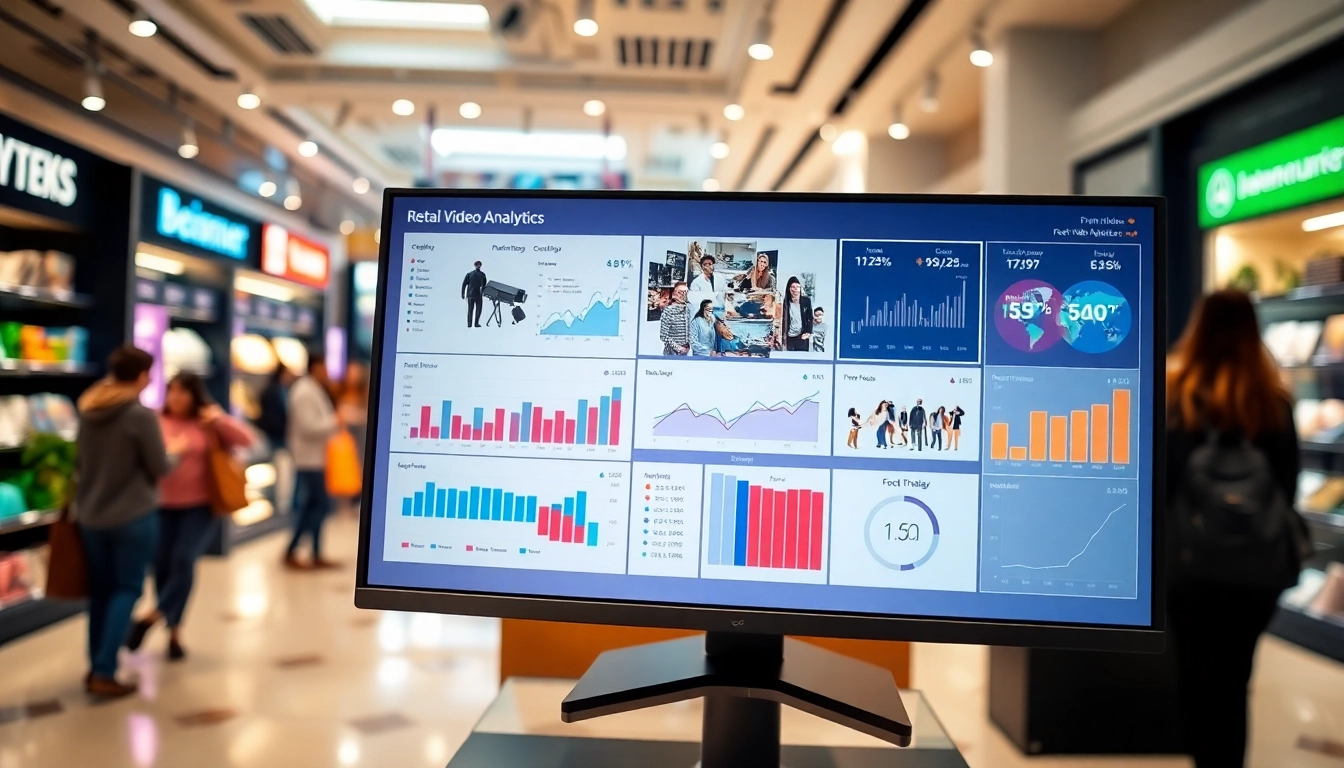
Understanding Retail Video Analytics
The Fundamentals of Retail Video Analytics
Retail video analytics represents a transformative approach to understanding consumer behavior and optimizing retail operations. At its core, this technology utilizes video surveillance data, processed through advanced algorithms, to gain insight into customer behaviors and interactions within a store. By analyzing video footage, retailers can track customer movements, identify patterns in shopping behavior, and make data-driven decisions to improve store layout and product placement.
The technologies involved in retail video analytics blend traditional video surveillance systems with artificial intelligence (AI) and machine learning (ML). This fusion enables systems to not only capture images but also interpret the data rendered from those images. Through retail video analytics, businesses can transform mere footage into actionable intelligence, thereby revolutionizing how stores operate.
How Retail Video Analytics Works
At the heart of retail video analytics is a combination of video capture, processing, and analysis. The process typically involves installing high-definition cameras throughout the retail environment, which continuously record video. This footage is then processed using sophisticated algorithms capable of differentiating between various objects, activities, and even specific customer demographics.
The systems utilize computer vision to analyze customer behavior in real time. For instance, they can detect how many customers enter a store, how long they linger in different areas, and even track interactions with products. This data is collated and translated into easy-to-understand reports, giving retailers deep insights into the effectiveness of store layouts, the popularity of products, and the overall customer experience.
Key Features of Retail Video Analytics Solutions
Several key features distinguish retail video analytics solutions from generic surveillance setups. These include:
- Heat Mapping: Visual representation of where customers spend most of their time in-store, helping optimize layouts.
- Customer Demographics Tracking: Analyzing customer age, gender, and other demographics to tailor marketing and product assortments.
- Foot Traffic Analysis: Monitoring the number of shoppers entering and exiting, helping assess store performance and peak times.
- Queue Management: Identifying long wait times at checkouts and assisting in staff deployment to improve customer service.
- Behavior Analysis: Understanding shopping patterns, including which products catch customers' attention and where they abandon carts.
Benefits of Retail Video Analytics for Business
Improving Customer Experience with Retail Video Analytics
Enhancing customer experience is one of the most compelling benefits of retail video analytics. By gaining real-time insights into customer behavior, retailers can modify their offerings to meet customer preferences. A retailer might discover that specific products are frequently overlooked despite their placement; insights from video analytics could lead to reconfiguring the display or changing promotional strategies.
Furthermore, understanding peak shopping times allows businesses to have adequate staffing, reducing wait times and improving overall satisfaction. Detailed analytics enable proactive decision-making aimed at tailoring store experiences, thus increasing customer loyalty.
Enhancing Operational Efficiency via Retail Video Analytics
Retail video analytics solutions also streamline operations by offering insights into staff productivity and inventory management. By analyzing employee movements, businesses can identify inefficiencies on the sales floor, ensuring that staff allocation matches customer demand.
For instance, video analytics can reveal times when many customers are present but few staff members are available to assist. This information can help in better managing shifts and ensuring that business operations run smoothly, ultimately leading to improved service delivery and a boost to profitability.
Boosting Sales with Retail Video Analytics Insights
Through improved customer insights and operational efficiencies, retail video analytics invariably lead to increased sales. By understanding which items are popular among customers and how store layout affects purchasing decisions, businesses can optimize stock levels and highlight popular items more effectively.
Additionally, data derived from customer behavior can inform marketing strategies, such as promotional placements or seasonal displays. By continuously iterating on these strategies based on insights provided by video analytics, retailers can boost sales and, subsequently, bottom-line profitability.
Implementing Retail Video Analytics in Your Store
Choosing the Right Retail Video Analytics Tools
Selecting the appropriate retail video analytics tools is crucial for achieving desired outcomes. When considering options, retailers should assess their specific needs, including video quality, analytics capabilities, and integration with existing systems. Look for solutions that offer comprehensive dashboard views and customizable reporting capabilities.
Also, reviewing product demos and user testimonials can provide insight into how a tool performs in practical settings, ensuring the chosen solution aligns with the business strategy.
Steps for Integrating Retail Video Analytics Technology
Integrating retail video analytics into a business requires careful planning and execution. Here are essential steps for successful implementation:
- Assessment: Determine your specific business goals and what you hope to achieve with analytics.
- Research: Explore different vendors to identify which systems and analytics best suit your needs.
- Installation: Work with professionals to install the hardware and necessary software, ensuring proper placement for maximum coverage.
- Configuration: Set up the software to reflect your specific metrics and reporting needs.
- Training: Invest in staff training to ensure they understand how to utilize the insights garnered from analytics.
Training Your Team on Retail Video Analytics
Ensuring that staff members are trained in how to use retail video analytics tools is vital for maximizing their potential. Training sessions should cover system operation, interpretation of analytics, and how to apply insights to improve business practices.
Regular workshops or refresher courses can also foster a culture of continuous learning, enabling employees to stay updated with the latest features and best practices for leveraging retail video analytics.
Real-World Applications of Retail Video Analytics
Case Studies Utilizing Retail Video Analytics
Real-world applications illustrate the considerable impact of retail video analytics. Retailers utilizing these systems have documented significant improvements in sales, customer satisfaction, and operational efficiency. For example, a store implementing video analytics might find that particular product displays attract more attention, leading to increases in sales when items are strategically placed according to the data collected.
Retailers can also see a reduction in theft and lost sales by monitoring customer interactions and identifying suspicious behavior patterns. These instances showcase how analytics transcend mere observation to become powerful decision-making tools.
Examples of Successful Retail Video Analytics Implementation
Various industries have successfully harnessed retail video analytics. For instance, apparel retailers have used analytics to determine peak times for shopping and tailored their staffing accordingly, reducing customer wait times. Grocery stores employ video analytics to optimize store layouts based on pedestrian traffic flow, effectively increasing engagement with high-margin products.
With tailored strategies developed from analytics insights, businesses create more compelling shopping environments, leading to holistic business growth.
Industries Benefiting from Retail Video Analytics
Numerous sectors gain advantages from retail video analytics, including fashion, grocery, electronics, and home goods. In the fashion industry, brands utilize these analytics to reflect on customer preferences, enhancing collections according to trends identified through video data. Similarly, grocery stores examine traffic patterns to optimize aisle layouts and promotions tailored to counter space, ensuring that high-demand products are easily accessible.
In essence, any industry with brick-and-mortar retail operations can leverage the insights gained from retail video analytics to refine business practices and enhance customer experiences.
Measuring Success with Retail Video Analytics
Key Performance Indicators for Retail Video Analytics
To gauge the success of retail video analytics initiatives, businesses should track key performance indicators (KPIs). These may include metrics like customer dwell time, conversion rate of foot traffic to sales, and average transaction values. Assessing these KPIs before and after implementing analytics offers a tangible benchmark for understanding ROI.
Setting clearly defined KPIs allows retailers to evaluate the effectiveness of their strategies, adjust as necessary, and maximize the potential of retail video analytics.
Analyzing Data from Retail Video Analytics
After deployment, interpreting the data collected from retail video analytics is paramount. Utilizing software tools to visualize data helps identify trends, correlations, and outliers within customer behavior. Additionally, combining video analytics data with sales data can yield deep insights into what drives conversions, facilitating proactive management of stock levels and promotional strategies.
Regularly analyzing this data allows retailers to remain agile, modifying tactics in response to emerging insights and ensuring ongoing success.
Future Trends in Retail Video Analytics
The future of retail video analytics holds exciting prospects. Advances in AI and machine learning will enhance the sophistication of analysis, enabling even deeper insights into consumer behavior. Moreover, as technology evolves, integration with other systems such as point-of-sale (POS) and inventory management will become seamless, providing comprehensive insights.
Furthermore, as privacy regulations become stricter, retailers will need to focus on ethical use of consumer data while leveraging video analytics, ensuring customers feel safe and respected in their shopping environments.
Frequently Asked Questions
What is retail video analytics?
Retail video analytics uses video surveillance technology to monitor customer behavior, optimize store functions, and enhance the overall shopping experience.
How does retail video analytics improve customer service?
By analyzing foot traffic and customer interactions, retailers can optimize staff allocation and reduce wait times, leading to better customer service outcomes.
What types of data can retail video analytics provide?
Data includes customer demographics, foot traffic patterns, dwell time in specific areas, and insights into product interactions and sales conversion rates.
Is retail video analytics suitable for all retail types?
Yes, retail video analytics can be effectively applied across various industries, including apparel, grocery, electronics, and more, enhancing insights and operational efficiency.
How can I measure success with retail video analytics?
Success can be measured through KPIs such as conversion rates, average transaction values, and customer engagement metrics before and after implementing analytics.