Introduction to Screen-Free Toys
In today's technology-driven world, children are exposed to screens from an early age. While certain digital experiences can facilitate learning, it's important to strike a balance between screen time and alternative play experiences. Screen-free toys offer a fantastic route to achieve this balance. These toys help children develop essential skills through tactile engagement, imaginative play, and problem-solving without the distractions of screens. If you're looking for ideas and inspiration, be sure to visit the website for curated toy selections and activities.
What Are Screen-Free Toys?
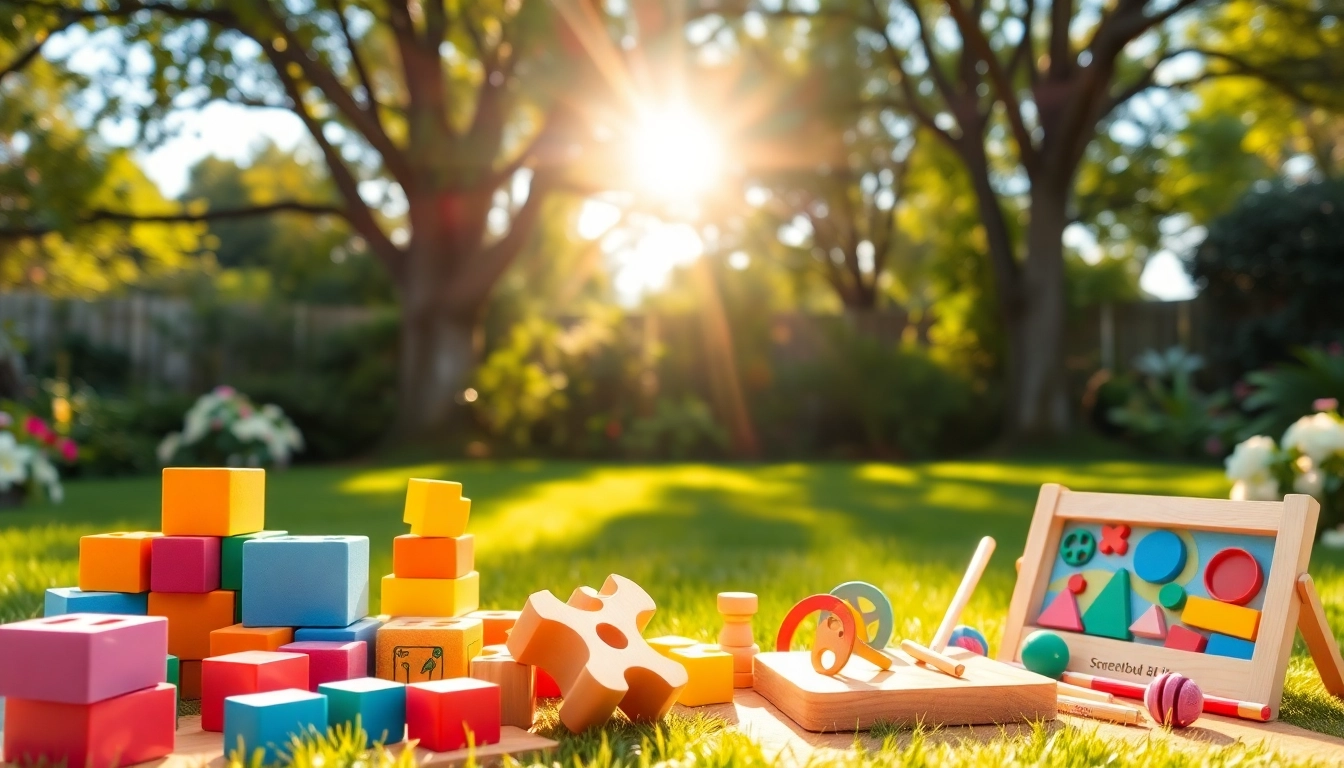
Screen-free toys are physical objects designed for play that do not require a digital interface. They can range from building blocks and educational puzzles to arts and crafts materials and imaginative playsets. The essence of these toys lies in their ability to engage children's senses, stimulate their creativity, and provide opportunities for social interaction.
Benefits of Non-Digital Play
Engaging in non-digital play has multiple benefits for children. Firstly, it fosters creativity by allowing kids to use their imagination without inhibitions. Secondly, physical toys help develop fine motor skills as children interact with various shapes and sizes, improving their hand-eye coordination and overall dexterity. Moreover, non-digital play encourages social interactions and the development of communication skills, as children often collaborate in play scenarios. Additionally, studies show that unstructured play can vastly improve problem-solving skills, as kids learn to navigate challenges independently.
How to Choose the Right Toys
Selecting the right screen-free toy involves considering several factors: the child's age, developmental stage, interests, and the type of skills you want to encourage. Look for toys that are age-appropriate and that promote interaction, creativity, and learning. For example, building toys are exceptional for spatial reasoning and math skills, while art supplies can fuel creative expression. Furthermore, consider the durability and safety of materials used in the toys, ensuring they are suitable for your child's play environment.
Top Picks for Fine Motor Builders
Building Blocks: A Classic Choice
Building blocks have stood the test of time, offering endless opportunities for creativity. These colorful shapes can stack and interlock to form anything from simple towers to intricate structures. As children engage with building blocks, they develop fine motor skills, hand-eye coordination, and spatial awareness. Available in various materials such as wood, plastic, and foam, building blocks can cater to different age groups and safety preferences, making them a versatile addition to any toy collection.
Puzzles for Problem Solving
Puzzles are exceptional tools for promoting cognitive development and problem-solving skills. They come in numerous forms—from simple jigsaw puzzles to more complex three-dimensional options. Children learn to recognize patterns, improve memory, and enhance critical thinking abilities while piecing together puzzles. The satisfaction derived from completing a puzzle boosts self-esteem and encourages children to persist in the face of challenges. Including puzzles in playtime not only provides fun but also enriches their developmental journey.
Arts and Crafts Kits for Creativity
Arts and crafts kits are perfect for nurturing a child's creative side. These kits may include supplies for drawing, painting, sculpting, or any craft-related activity. Engaging in arts and crafts promotes fine motor skills through manipulation of various tools and materials. Additionally, the creative process encourages children to express their thoughts and emotions, fostering communication and language development. Whether it's coloring books, clay modeling, or DIY craft projects, these activities offer both learning and enjoyment.
Play Ideas for Kids
DIY Activities Using Household Items
There's no need for elaborate materials to create an engaging play experience; often, household items can serve as fantastic play resources. Cardboard boxes, plastic bottles, and paper towels can be converted into costumes, vehicles, or structures. These DIY activities stimulate imaginative play, allowing children to brainstorm and execute their ideas creatively. Moreover, involving kids in creating their own toys or play items teaches resourcefulness and offers learning opportunities regarding recycling and sustainability.
Outdoor Games for Whole Family Fun
Outdoor play fosters physical fitness and promotes family bonding. Games such as tag, hide and seek, scavenger hunts, or even simple ball games can provide hours of fun while promoting exercise. Encouraging kids to explore nature can enhance their appreciation for the environment, and participating in team games cultivates sportsmanship. Set specific times for family outdoor activities to strengthen family ties while allowing children the freedom to play imaginatively in a safe space.
The Role of Imaginative Play in Development
Imaginative play is integral to childhood development, offering children a platform to explore various roles and scenarios. Whether they’re playing house, pretending to be superheroes, or constructing fantasies with toys, kids practice real-life skills by simulating various situations. This form of play aids emotional development, helping children express their feelings and understand the perspectives of others. Providing opportunities and tools for imaginative play fosters empathy, social skills, and resilience as they navigate their imaginative worlds.
Tips for Encouraging Screen-Free Play
Creating a Play-Friendly Environment
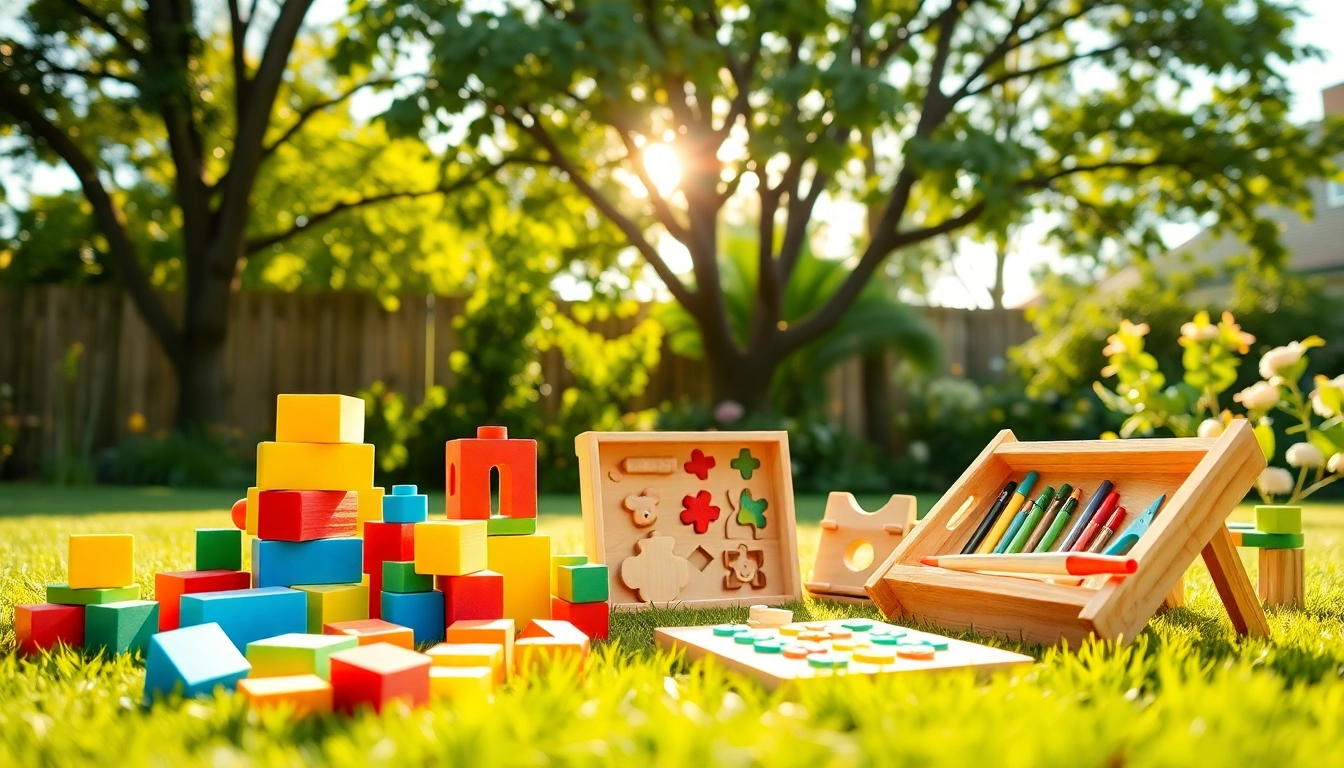
Designing a play-friendly environment can significantly influence a child's inclination to engage in screen-free activities. Dedicate a specific area in your home as a play zone, equip it with diverse toys, and ensure it's accessible and inviting. Rotate toys regularly to maintain children’s interest and introduce challenges with new materials that promote creativity and learning. A clutter-free and organized space will also help children focus on their play without digital distractions.
Involving Family in Playtime
Encouraging family participation in playtime can enhance the play experience for children. Join them in building a fort, playing board games, or participating in outdoor activities. Family involvement not only creates lifelong memories but also models positive behaviors and reinforces social skills like teamwork and communication. Additionally, shared playtime motivates children to explore new activities they may not engage in alone, expanding their creative horizons.
Setting Limits on Screen Time
Effectively managing screen time is crucial in ensuring children have adequate moments for screen-free play. Establish clear guidelines around when and how long screens can be used. Communicate these limits to your child and present engaging screen-free activities as alternatives. Encouraging a routine that incorporates designated playtime away from screens helps cultivate a balanced attitude towards technology while enriching children's play experiences.
Frequently Asked Questions
Why are screen-free toys important?
Screen-free toys enhance creativity, promote physical activity, and improve social skills without digital distractions.
How can I motivate my child to play more?
Engage in play alongside them and provide a variety of toys to spark their interest in non-digital activities.
What types of play encourage fine motor skills?
Activities like building with blocks, threading beads, and coloring with crayons develop fine motor control and hand-eye coordination.
Can screen-free toys help with social development?
Yes, these toys encourage group play, collaboration, and communication skills as children interact without screens.
Are there age recommendations for these toys?
Always check age guidelines, but many toys cater to a range of ages, allowing for interactive play as they grow.