Why Screen-Free Toys Matter
In today’s digital era, the importance of screen-free toys cannot be understated. As technology permeates every aspect of our lives, the challenge now faced by parents is finding engaging alternatives that foster creativity while develop essential skills. Screen-free toys refer to items that encourage interactive play, creativity, and active learning without the influence of screens. By incorporating such toys into playtime, parents can create valuable play experiences for their children. To dive deeper into the benefits and options available, visit the website for insights and recommendations.
The Importance of Hands-On Play
Hands-on play is essential for childhood development. Engaging with tangible materials stimulates a child’s senses, allowing them to explore the world around them actively. This tactile interaction enhances brain development as children manipulate objects, fostering neural connections. Unlike passive screen time, hands-on play encourages critical thinking and problem-solving. Children who partake in such activities are better equipped to navigate the challenges of everyday life, laying a foundation for lifelong learning.
Developmental Benefits of Building Toys
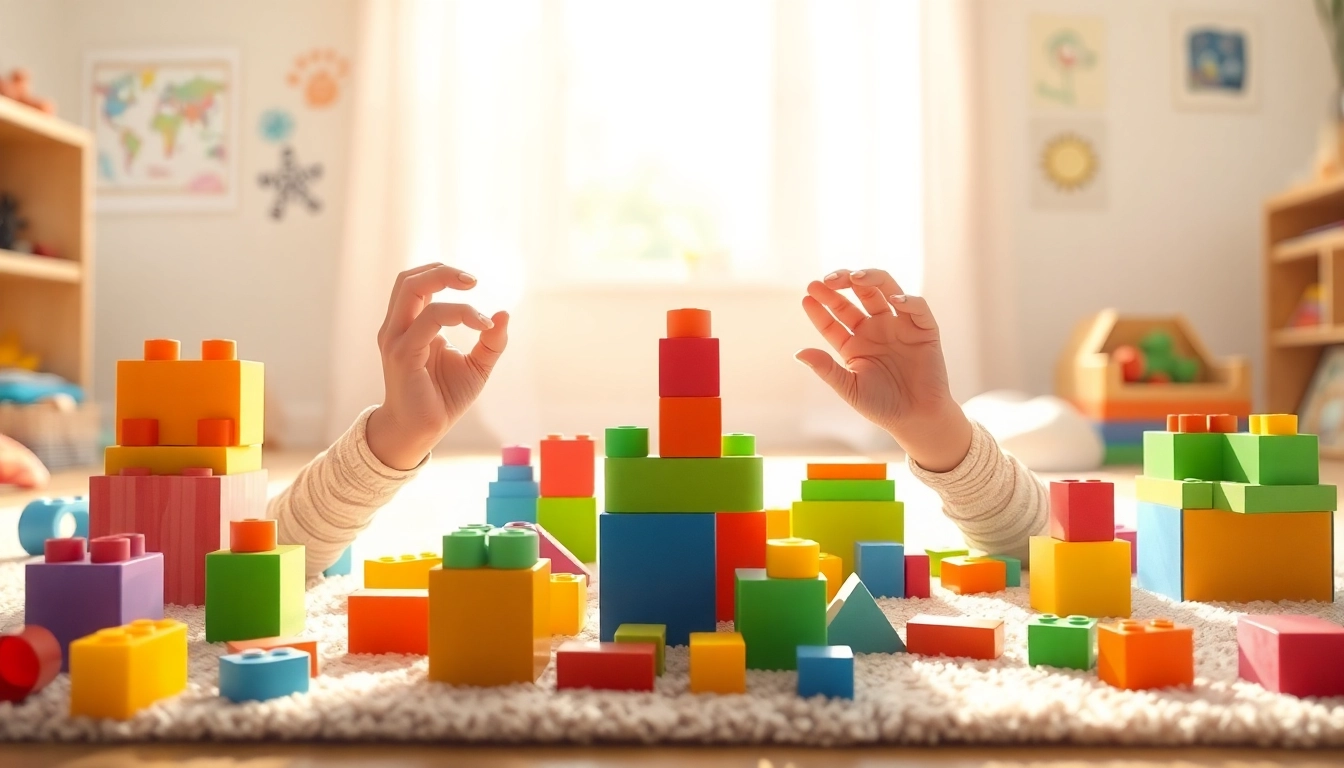
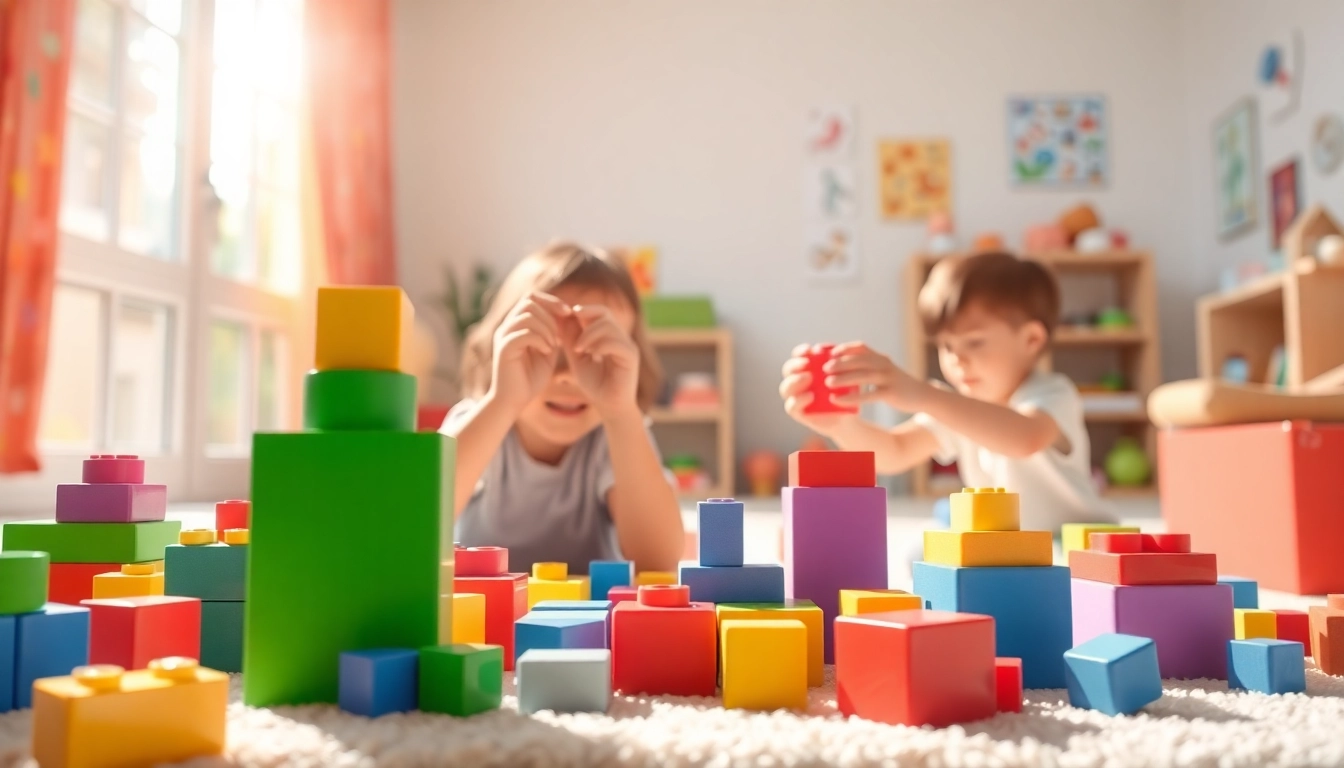
Building toys have emerged as favorites among early childhood educators, and for good reason. These toys facilitate numerous developmental milestones, including fine motor skills, spatial awareness, and cognitive abilities. For instance, stacking blocks requires coordination and precision, which helps children hone their dexterity. Additionally, by visualizing their structures before assembly, children practice problem-solving skills. Through building toys, children learn not only about construction but also gain a better understanding of basic physics principles, fostering an early interest in science.
Reducing Screen Time for Healthier Kids
Reducing screen time is crucial for physical and mental health. Studies indicate that excessive screen exposure can lead to obesity, attention difficulties, and reduced social skills. By prioritizing screen-free play, caregivers promote healthier lifestyles. Children who engage in regular physical activities, such as outdoor sports or interactive play, find joy in social interactions and develop stronger friendships. Moreover, screen-free environments encourage imaginative play and creativity, which are vital for cognitive development.
Top Picks for Fine Motor Skills Development
Fine motor skills are fundamental as children learn to grasp, manipulate, and control their movements. Developing these skills early on is essential in preparing children for tasks such as writing and self-care. Here are some top picks for toys that enhance fine motor skills.
Building Blocks for Creativity
Building blocks remain a staple in developing fine motor skills. Their versatility allows children to construct anything from simple shapes to complex structures. The act of stacking blocks not only strengthens muscle coordination but also nurtures creativity. Different shapes and colors encourage children to visualize and create their designs, enhancing their spatial reasoning abilities.
Art and Craft Supplies
Engaging in arts and crafts provides children ample opportunities to enhance their fine motor coordination. By using scissors, markers, and glue, they practice grasping and applying precise movements. Coloring, drawing, and crafting allow for self-expression while developing essential skills. Craft projects can range from simple hand sewing to building models, inspiring creativity and boosting confidence in their abilities.
Puzzles and Problem Solving
Puzzles are excellent tools for developing problem-solving skills and fine motor dexterity. As children manipulate puzzle pieces, they refine their hand-eye coordination and cognitive abilities. Puzzles also teach patience and perseverance, as children learn the importance of working through challenges. Moreover, they create opportunities for collaborative play, encouraging social interaction when working with friends or family to complete a puzzle.
Imaginative Play: Fostering Creativity
Imaginative play is vital for cognitive and emotional growth. Children explore different roles and scenarios in their minds as they navigate the world around them. This type of play fosters creativity and allows children to express themselves freely.
Role-Playing with Non-Digital Toys
Role-playing with non-digital toys cultivates creativity and social development. Items like dolls, action figures, and playsets inspire children to recreate situations and act out scenarios. This form of play helps children develop empathy and understand different perspectives, as they learn to navigate interactions with others. Furthermore, role-playing encourages verbal communication skills as children narrate their stories and collaborate with peers.
Encouraging Storytelling Through Play
Storytelling is a powerful tool in child development, and play offers a rich platform for creativity. By using puppets, figurines, or themed sets, children can create their narratives and develop a sense of sequence and structure. This process enhances their language and literacy skills, allowing for improved articulation and vocabulary usage. Parents can support storytelling by engaging in dialogue and prompting children to further elaborate on their tales.
Inclusive Toys for Diverse Play Experiences
Incorporating inclusive toys into play can benefit all children, promoting social development and empathy. Toys that represent various cultures, abilities, and experiences help children understand diversity and include others in their play. These toys can range from diverse dolls to games that require teamwork, reinforcing values of acceptance and cooperation. Encouraging inclusive play can significantly enhance emotional intelligence and foster a welcoming community among peers.
Outdoor Screen-Free Activities
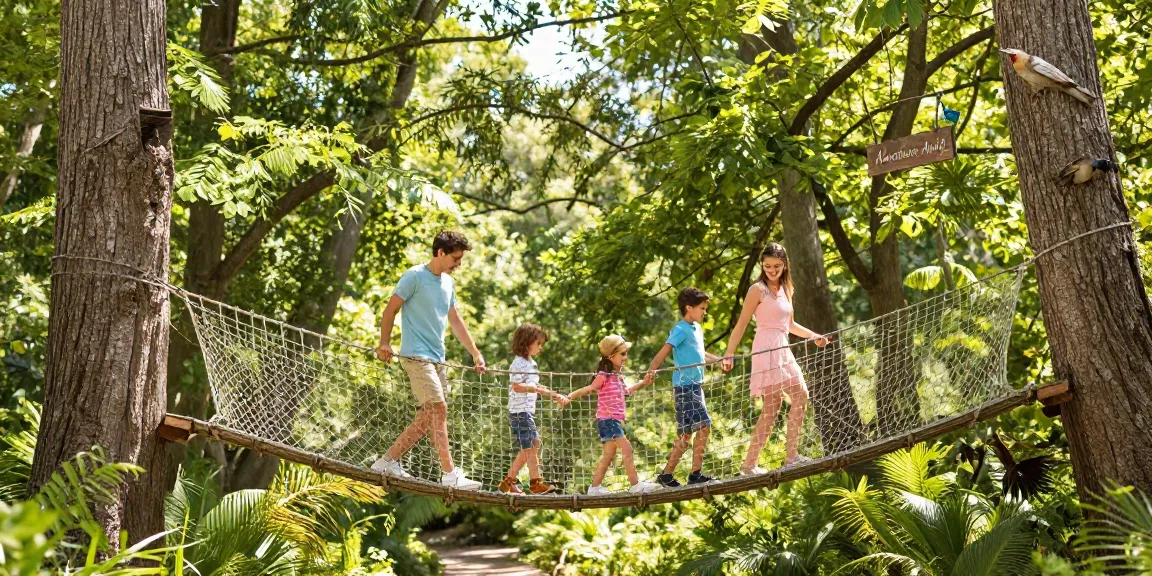
Outdoor activities offer a wealth of benefits for children, including physical health, social skills, and cognitive growth. From active play to exploration, here are some outdoor screen-free activities to consider.
Nature-Inspired Building Projects
Combining nature and construction is a dynamic way to engage children outdoors. Using natural materials like sticks, leaves, and stones, children can design shelters or sculptures, encouraging creative thinking while fostering an appreciation for nature. Such projects promote teamwork, as kids work collaboratively to integrate their ideas and visions into tangible forms.
Movement and Physical Toys for Kids
Incorporating physical toys into outdoor play can significantly improve children’s health and well-being. Equipment such as jump ropes, frisbees, and hula hoops promote movement while developing coordination and strength. Group activities—like tag or obstacle courses—encourage social interaction and teamwork, allowing children to build bonds while keeping active.
Outdoor Games that Promote Teamwork
Outdoor games serve as an excellent avenue for cultivating teamwork and friendship. Whether participating in relay races or group scavenger hunts, children engage in collaborative problem-solving as they strategize together. Such experiences help enhance communication skills that are crucial in both personal and academic settings.
Creative Ideas for Parents and Caregivers
Parents and caregivers play an essential role in facilitating engaging and interactive play experiences. Here are creative ideas that can enhance children's playtime.
DIY Toy Projects for Kids
DIY toy projects not only offer children the chance to build something uniquely their own but also afford quality time spent together. Simple projects, such as crafting a homemade kite or creating musical instruments from household items, inspire creativity while teaching practical skills. Additionally, working on DIY projects fosters a sense of accomplishment, boosting self-esteem.
Engaging Themes for Playdates
Themed playdates provide children with structured yet flexible environments to explore. Coordinating activities around a theme—such as a pirate adventure or a nature exploration—can enhance creativity and engagement. Parents can devise games and crafts that tie into the theme, ensuring that playdates remain dynamic and memorable.
Tips for Reducing Screen Dependency
Reducing children’s dependency on screens requires creativity and planning. Setting limits on screen time and implementing technology-free zones encourages children to engage in alternative activities. Offering diverse toys and games can draw children into engaging play. Parents should also set an example by participating in screen-free interactions, reinforcing the value of face-to-face connections and creative play.
Frequently Asked Questions
What are screen-free toys?
Screen-free toys are interactive items that encourage physical play and creativity without the use of screens.
How do screen-free toys benefit children?
They promote motor skills, creativity, social interaction, and physical health while reducing reliance on electronics.
Can screen-free toys help with learning?
Absolutely! Many screen-free toys, like puzzles or building blocks, enhance cognitive skills and problem-solving abilities.
How can I encourage my child to play with screen-free toys?
Introduce engaging and diverse options, make playtime fun, and join them to show interest in their activities.
Are screen-free toys suitable for all ages?
Yes, there are various options designed specifically for different age groups to ensure safe and stimulating play.