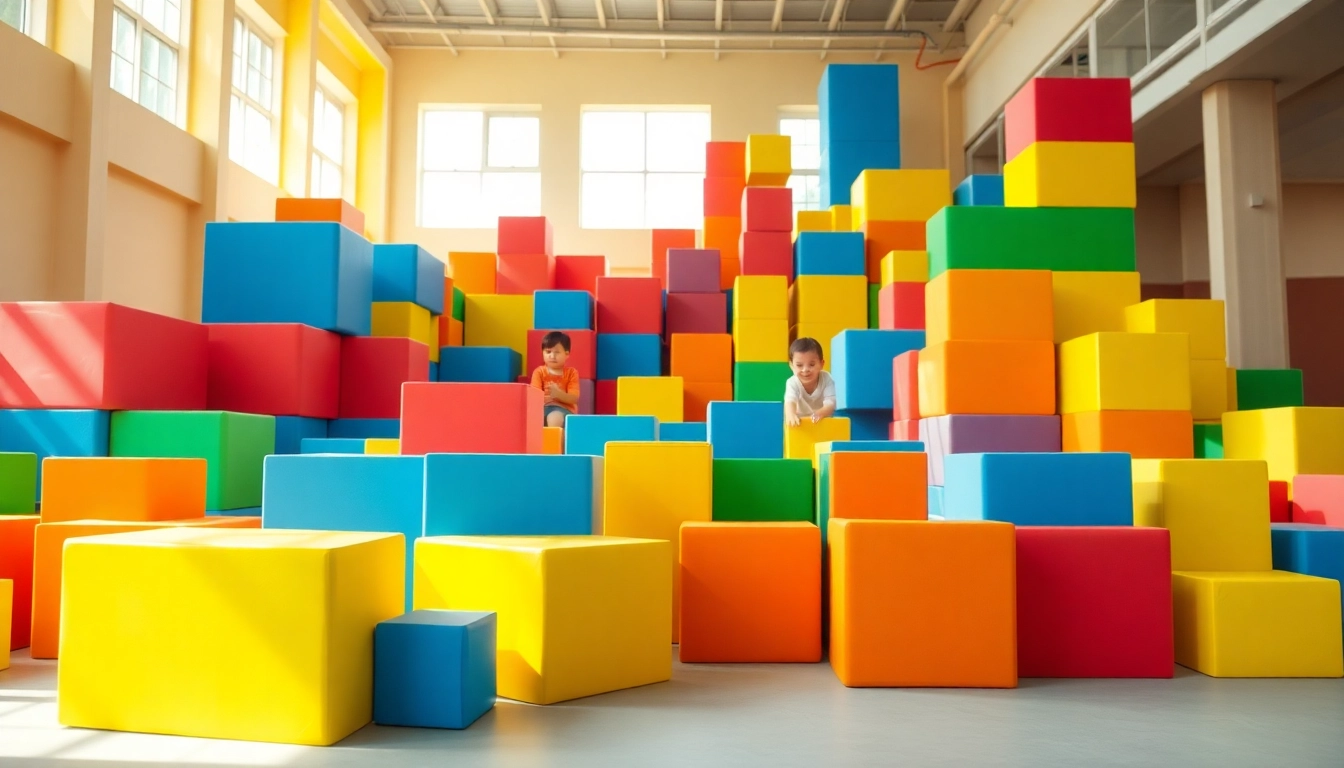
Introduction to Giant Foam Building Blocks
In an age where play is crucial for childhood development, giant foam building blocks have gained popularity as a versatile and enjoyable resource for young minds. These colorful, soft blocks are not just simple toys; they act as gateways to creativity, coordination, and collaborative play. As children immerse themselves in construction play, they foster problem-solving skills and imaginative thinking, ultimately shaping a brighter future. If you’re keen to explore this enriching experience for your kids, find out more about the immense possibilities offered by giant foam blocks.
What Are Giant Foam Building Blocks?
Giant foam building blocks are oversized, lightweight blocks made from high-density foam material, designed specifically for children's play. These blocks come in various shapes, sizes, and colors, making them both visually appealing and functional. The first notable aspect is their softness, which ensures that children can safely build and tumble without any risk of injury. Unlike traditional wooden or plastic building blocks, foam blocks can be easily stacked, knocked over, and reassembled, promoting an interactive construction environment.
Benefits of Using Foam Blocks for Kids
The benefits of foam blocks extend beyond mere entertainment. These blocks play a pivotal role in developmental milestones, offering advantages such as:
- Physical Development: Manipulating foam blocks enhances fine motor skills as children grasp, lift, and stack them. Additionally, pushing and pulling huge structures promotes gross motor coordination.
- Cognitive Growth: Building with foam blocks encourages problem-solving. Children learn spatial awareness, balance, and cause-effects as they experiment with structures.
- Social Skills: Collaborative play with foam blocks nurtures teamwork and communication. Children learn to share ideas, negotiate plans, and celebrate construction successes together.
- Emotional Benefits: Engaging in creative play helps children express emotions, manage frustrations, and build resilience when projects don't go as planned.
Key Features to Look For
When selecting giant foam blocks for your child, it's essential to consider several key features:
- Material Safety: Ensure that they are made of non-toxic, environmentally friendly foam that's free from harmful chemicals.
- Durability: High-quality foam blocks should withstand repeated use, retaining their shape and integrity over time.
- Variety of Shapes and Sizes: Look for sets that offer diverse shapes designed to spark creativity across different design structures.
- Age Appropriateness: Select blocks that are suitable for your child's age group, ensuring safe play and engagement.
Enhancing Creativity with Foam Blocks
Foam blocks are more than just toys; they are tools that can significantly enhance a child's creativity. By providing a platform for imaginative play, these blocks encourage children to step into a world of their own design, where the boundaries of their imagination are limited only by their creativity.
Ways Foam Blocks Inspire Imaginative Play
Imaginative play is a vital aspect of child development. Foam blocks serve as versatile tools, allowing children to transform their ideas into tangible structures. This imaginative play can take many forms:
- Creating Structures: Whether it's a castle, a spaceship, or a bridge, kids love bringing their visions to life.
- Role Play: Foam blocks can represent various objects in imaginative scenarios, encouraging children to act out stories and role-play.
- Storytelling: Children can craft entire narratives based around the structures they build, further enhancing their language skills.
Creative Building Ideas for Kids
To stimulate creativity, parents can suggest various building projects. Here are some engaging ideas:
- Foam Tower Challenge: Encourage kids to see how high they can stack the blocks without toppling over.
- Obstacle Course: Create an indoor obstacle course using blocks for climbing, crawling, and navigating.
- Artistic Structures: Motivate them to create sculptures or abstract art pieces using their blocks.
- Group Projects: Challenge children to collaborate on building something larger, such as a city or a zoo.
Collaborative Play and its Importance
Collaboration is a key component of play. Giant foam blocks offer an ideal setting for children to engage in cooperative play, which is essential for social development. This type of play fosters communication skills, leadership qualities, and the ability to understand others' perspectives.
By working together, children learn to value input from their peers, navigate conflicts, and celebrate collective achievements. They understand that building something monumental is not just about individual contributions but the synergy of teamwork.
Safety Tips for Indoor Use
While foam blocks are designed to be safe, there are still important precautions every parent should consider to ensure a secure play environment.
Choosing Safe Materials for Construction
Before making a purchase, research the foam materials used in the blocks. Ensure that the blocks are certified as safe for children and free from toxic substances. Look for reputable brands that meet safety standards, as this contributes to a healthier play experience for your child.
Setting Up a Safe Play Environment
Create a designated play area for foam block activities. Here are a few tips:
- Clear the Area: Remove hard objects, sharp corners, or furniture that could pose risks during play.
- Soft Surfaces: Use carpets, rugs, or play mats to soften the fall if children tumble while playing.
- Space Management: Ensure there is ample room to move around without constraints, promoting active play and freedom of movement.
Supervision Guidelines for Parents
Active supervision is crucial during playtime. Stay nearby to monitor interactions and ensure safety. Encourage children to share blocks and respect one another's space, reminding them of the significance of cooperation and kindness. In case of disagreements, guide them in conflict resolution and the importance of teamwork.
Varieties of Foam Block Sets
The market offers a vast array of foam block sets tailored to different needs, preferences, and capabilities. When selecting a set, consider the following factors.
Choosing the Right Size for Your Space
Assess the available space before purchasing foam block sets. For smaller areas, consider smaller blocks or sets, enabling kids to still build creatively without feeling cramped. Larger sets are excellent for spacious rooms, allowing expansive projects and more children to engage simultaneously.
Recommended Foam Block Sets for Different Ages
Choosing foam blocks that are age-appropriate is fundamental for ensuring safety and engagement. Here are some suggestions based on age groups:
- Infants to Toddlers (1-3 Years): Look for smaller blocks that are light and easy to handle, minimizing risk by preventing choking hazards.
- Preschoolers (4-5 Years): A medium-sized block set that includes a mix of shapes will encourage creative building while challenging their problem-solving skills.
- Young Children (6-8 Years): Opt for larger sets with a variety of shapes and colors to keep them entertained and motivated to build.
Customizing Sets for Unique Play Experiences
Many manufacturers now offer customization options for foam block sets, allowing you to create a tailored experience for your child. Consider your child's interests—if they love animals, for instance, look for blocks that include animal shapes. Custom sets can help deepen engagement and make every play session unique.
FAQs about Giant Foam Building Blocks
What age is suitable for foam building blocks?
Foam building blocks are suitable for children aged 1 and up. Sets designed specifically for younger children ensure safety with appropriate sizing and softer materials.
How do I clean foam blocks?
Foam blocks are typically easy to clean. Use a mild soap solution and a soft cloth to wipe off dirt or stains, then air dry them completely before reuse.
Can foam building blocks be used outdoors?
While foam blocks are primarily designed for indoor use, some high-quality, water-resistant versions can safely be used outdoors. Ensure they are stored indoors when not in use to prolong their lifespan.
What are the benefits of group play?
Group play fosters social skills, enhances creativity, and encourages communication. It allows children to learn teamwork, build friendships, and develop problem-solving skills through collaboration.
Are foam blocks safe for younger children?
Yes, foam blocks are designed with safety in mind. They are soft, lightweight, and made from non-toxic materials, reducing the risk of injury during play.