Understanding Containerized Wastewater Treatment
As urbanization and industrial activities continue to expand, the demand for effective and efficient wastewater treatment solutions has never been more pressing. Among the various approaches, containerized wastewater treatment stands out for its versatility and rapid deployment capabilities. These modular systems are designed to tackle a broad spectrum of wastewater challenges, from domestic sewage to complex industrial effluent. By integrating advanced treatment processes into compact, transportable units, these solutions provide a practical answer to the ever-evolving needs of communities and industries alike.
What is Containerized Wastewater Treatment?
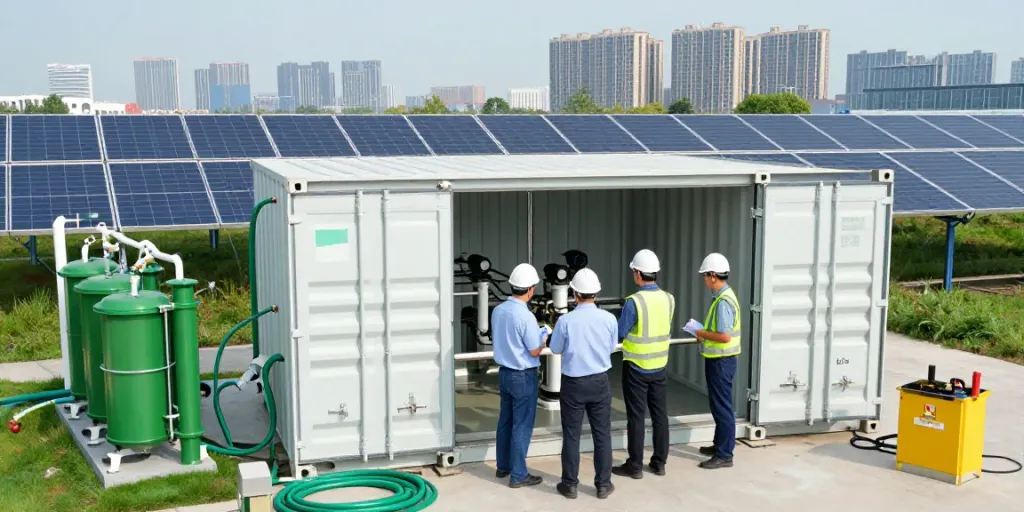
Containerized wastewater treatment refers to the use of pre-engineered, modular units housed within standard shipping containers to treat wastewater efficiently. These systems can be deployed in varying environments, from urban settings to remote locations, and can handle diverse wastewater types, including residential sewage, agricultural runoff, and industrial effluents. The use of containers allows for quick transportation and installation, making them an ideal solution for projects requiring immediate wastewater management.
Key Components of Containerized Systems
Containerized wastewater treatment systems typically incorporate several essential components to ensure effective treatment:
- Preliminary Treatment: This stage involves screening and grit removal to eliminate large solids and sediment.
- Biological Treatment: Utilizing aeration tanks or biofilters, this process promotes the growth of microorganisms that break down organic matter.
- Secondary Treatment: Here, advanced methods such as membrane bioreactors or activated sludge processes further refine the effluent.
- Disinfection: Typically employing UV light or chlorination, this step ensures that pathogens are neutralized before discharge.
- Control Systems: Automation and monitoring technologies help in managing the processes efficiently, ensuring optimal performance and compliance with environmental regulations.
Advantages for Domestic and Industrial Use
The advantages of containerized wastewater treatment systems are numerous, making them suitable for both domestic and industrial applications:
- Mobility: Easily transportable, these systems can be relocated as needed, which is especially beneficial for construction sites and temporary setups.
- Rapid Deployment: With minimal site preparation, installation can often be completed in just a few days, allowing for swift response to urgent needs.
- Space Efficiency: Its compact design allows for effective treatment without requiring extensive land use.
- Less Capital Investment: Compared to traditional treatment plants, containerized systems tend to have lower initial costs and can be expanded as demand increases.
- Compliance with Regulations: These systems are designed to meet or exceed local and international environmental standards, ensuring safe wastewater management.
Deployment and Installation Best Practices
Effectively deploying and installing containerized wastewater treatment systems is critical for ensuring long-term operational success. To achieve this, several best practices should be followed.
Site Preparation for Containerized Units
Proper site preparation is essential for the successful deployment of containerized units. Key considerations include:
- Ground Stability: Ensure that the ground can support the weight of the container and associated equipment.
- Accessibility: The site should be easily accessible for delivery and potential relocation of the containers.
- Utilities Connection: Identify and plan for connections to power, water, and drain lines prior to installation.
Efficient Setup and Connection Guidelines
To streamline the setup process, it is crucial to adhere to efficient connection guidelines:
- Follow Manufacturer Instructions: Always utilize the provided manuals and specifications for each component.
- Use Qualified Personnel: Employ trained technicians for installation to avoid potential issues and ensure compliance with local codes.
- Test System Components: Conduct initial tests to verify the proper functioning of each part of the system after installation.
Timeframes and Workforce Requirements
The timeframe for installation can vary based on the complexity of the system and site conditions. Generally, setup can take one to two days, requiring a small team of skilled workers for efficient execution. It is advisable to plan for potential delays due to weather or material availability.
Operational Flexibility and Compliance
Containerized wastewater treatment systems offer remarkable operational flexibility, allowing users to adapt processes based on changing needs while ensuring compliance with environmental standards.
Meeting Environmental Standards
Compliance with environmental regulations is a primary concern for wastewater treatment facilities. Containerized systems are designed with this in mind, incorporating technologies that facilitate adherence to both local and international standards. Regular monitoring and maintenance schedules are essential to ensure ongoing compliance and minimize environmental impact.
Adaptable Solutions for Varying Wastewater Types
The versatility of containerized systems enables them to manage various wastewater types, from raw sewage to processed industrial byproducts. This adaptability is particularly advantageous for facilities that may experience shifts in their wastewater characteristics.
Maintenance and Performance Monitoring
Ongoing maintenance is vital for maximizing the lifespan and efficiency of containerized systems. Implementing a structured maintenance plan that includes routine inspections, cleaning, and component replacements is key to preventing downtime and ensuring optimal performance.
Case Studies and Real-World Applications
To illustrate the effectiveness of containerized wastewater treatment solutions, consider the following case studies demonstrating successful implementations across the globe.
Successful Containerized Projects Around the Globe
From disaster recovery efforts to supporting remote communities, containerized systems have proven to be invaluable. For example, after a natural disaster, a containerized plant was deployed to provide immediate wastewater treatment to affected areas, ensuring public health and safety while permanent solutions were being developed.
Lessons Learned from Implementation
Analysis of past projects highlights the importance of thorough site assessments and community involvement in the planning stages. Engaging local stakeholders can foster support for projects and provide insights that enhance the effectiveness of the systems deployed.
Innovative Solutions for Challenging Environments
In challenging environments, such as mining operations or military bases, containerized systems have been tailored to meet specific needs, demonstrating the flexibility and adaptability of these solutions. Customization options may include enhanced filtration or specialized bioreactor designs, ensuring effective treatment regardless of the setting.
The Future of Containerized Wastewater Treatment
As we move further into the 21st century, the landscape of wastewater treatment is rapidly evolving, influenced by technological advancements and environmental imperatives.
Technological Innovations on the Horizon
Emerging technologies such as AI-driven monitoring systems, advanced membrane filtration, and energy-efficient aeration systems are set to redefine containerized wastewater treatment. These innovations promise to enhance performance, reduce operational costs, and further improve the sustainability of wastewater management systems.
Market Predictions and Growth Trends for 2026
The containerized wastewater treatment market is projected to grow significantly in the coming years, driven by increasing awareness of environmental issues and the need for effective waste management solutions. The rise of decentralized wastewater treatment solutions aligns with global trends toward sustainability and resource efficiency.
Environmental Impact and Sustainable Practices
To minimize the environmental footprint, containerized systems are increasingly integrating sustainable practices such as energy recovery and nutrient recycling. These developments not only enhance system efficiency but also contribute towards a circular economy, addressing wastewater as a resource rather than a waste.
What are the costs associated with containerized wastewater treatment?
The costs of containerized wastewater treatment systems can vary significantly based on size, technology, and site conditions. However, they generally represent a more cost-effective solution compared to traditional wastewater treatment plants, especially when taking into account lower operational and maintenance expenses.
How is containerized wastewater treatment different from traditional methods?
Containerized wastewater treatment offers enhanced mobility, rapid deployment, and flexibility compared to traditional stationary systems. Additionally, the modular approach allows for easier scalability and customization, enabling a tailored fit for various environmental conditions and wastewater types.
What industries benefit the most from these systems?
Industries such as oil and gas, construction, mining, and agriculture have found substantial benefits from containerized wastewater treatment solutions. These systems provide effective wastewater management without disrupting ongoing operations, making them an ideal choice for sectors with stringent environmental regulations.
What are the main challenges in implementing such systems?
While containerized systems offer numerous advantages, challenges can arise in terms of regulatory compliance, integration with existing infrastructure, and ensuring adequate site conditions. Thorough planning and community engagement can help mitigate these challenges.
How can I ensure compliance with local regulations?
To ensure compliance, it is essential to engage with local regulatory authorities early in the planning process. Understanding local regulations and incorporating them into the design and operation of the system will facilitate a smooth implementation and long-term success.