Understanding Bed Bugs and Their Impact
What Are Bed Bugs?
Bed bugs are small, parasitic insects belonging to the family Cimicidae. They are approximately 1/4 inch long, flat, and oval-shaped, making them expert hitchhikers. Their primary source of nourishment is the blood of humans and other warm-blooded animals. Bed bugs are nocturnal creatures, often hiding in the crevices of beds, mattresses, and furniture during the day. Due to their resilient nature and rapid reproduction cycle, even a small infestation can quickly escalate, complicating effective treatment and eradication.
Signs of Bed Bug Infestation
Identifying a bed bug infestation can be challenging, particularly since these insects are adept at hiding. Here are common signs to look for:
- Bite Marks: Many individuals notice red, itchy welts on their skin, similar to mosquito bites, often appearing in clusters.
- Stains on Bedding: Small rust-colored stains on sheets or mattress covers, resulting from crushed bed bugs.
- Bed Bug Exoskeletons: As bed bugs mature, they shed their skin. Finding these skin casts is a strong indicator of infestation.
- Musty Odor: A sweet, musty odor emitted by their scent glands can sometimes be detected in severe infestations.
- Visible Bed Bugs: Adults, nymphs, and eggs can sometimes be spotted in the seams of mattresses, bedding, and furniture.
The Health Risks Associated with Bed Bugs
While bed bugs do not transmit diseases like some other pests, their bites can cause significant physical and psychological discomfort. The most typical health risks include:
- Allergic Reactions: Some individuals may develop allergic reactions to bed bug bites, leading to severe itching and inflammation.
- Secondary Infections: Scratching bite marks can lead to skin infections, such as cellulitis.
- Sleep Disturbances: Anxiety and fear of bites can lead to sleeplessness, affecting overall health and well-being.
Preparing for Bed Bug Treatment
Initial Steps to Take
Before commencing treatment for bed bugs, it’s crucial to approach the situation methodically. Start by confirming an infestation through visual cues and bite marks. Document the extent and areas of infestation to help in treatment planning.
Identifying Infested Areas
To effectively treat bed bugs, identifying all infested areas is essential. Begin by thoroughly inspecting:
- Beds: Examine seams, under the mattress, and within bed frames.
- Furniture: Inspect couches, chairs, and any upholstered items.
- Carpets: Look closely at edges and under furniture placed on carpets.
- Clothing: Check clothing stored in closets or drawers.
Preparing Your Home for Treatment
Preparation is a key component of ensuring successful treatment. Here are steps to follow:
- Declutter: Remove any unnecessary items from the infested area to create a clear space for treatment.
- Wash Bedding and Clothing: Launder all bedding and clothing on hot cycles, followed by drying on the highest setting for at least 30 minutes.
- Vacuum Thoroughly: Use a vacuum on floors, carpets, and upholstered furniture, immediately disposing of the vacuum bag.
- Prepare for Pest Control Treatment: Follow any specific instructions provided by professionals regarding furniture placement, treatment areas, and additional precautions.
Methods of Bed Bug Treatment
Chemical Treatments
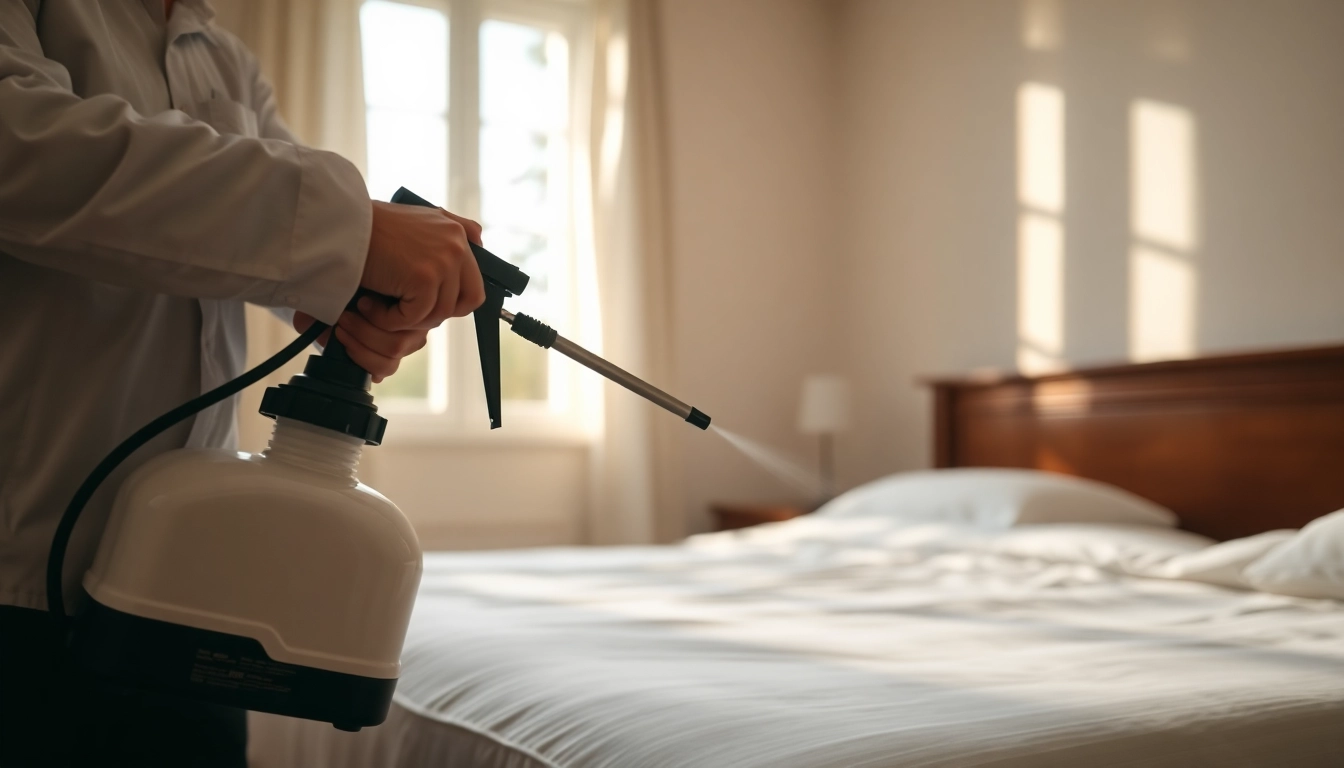
Chemical treatments involve the application of insecticides specifically formulated to target bed bugs. Common types include:
- Pyrethroids: Synthetic versions of pyrethrins, these are among the most commonly used insecticides.
- Insect Growth Regulators (IGRs): They disrupt the life cycle of bed bugs by preventing them from maturing or reproducing.
- Desiccants: These chemical compounds work by dehydrating bed bugs, making them incapacitated.
Heat Treatments
Heat treatments have gained popularity due to their effectiveness in eradicating all life stages of bed bugs. The process requires heating the infested area to a temperature that is lethal to bed bugs, typically above 120°F. This can be done using specialized equipment that must maintain consistent temperatures throughout the treatment site.
Natural Remedies
Natural bed bug treatments are often sought by those who prefer non-chemical solutions. Some popular methods include:
- Essential Oils: Some essential oils, such as tea tree, lavender, and peppermint, have been shown to repel or kill bed bugs.
- Diatomaceous Earth: A non-toxic powder that damages the exoskeleton of bed bugs, leading to dehydration.
- Freeze Treatments: Exposing bed bugs to freezing temperatures for an extended period can effectively kill them.
Post-Treatment Care and Prevention
Monitoring for Return of Bed Bugs
After treatment, it’s essential to remain vigilant. Regularly check the infested areas for signs of bed bugs. Setting traps or using monitoring devices can also help in detecting any return of these pests.
Preventive Measures to Take
To prevent a future infestation, consider these preventive measures:
- Maintain Cleanliness: Regular cleaning and vacuuming can significantly reduce the likelihood of re-infestation.
- Avoid Second-Hand Items: Be cautious with second-hand furniture and clothing. Thoroughly inspect these items before bringing them into your home.
- Seal Cracks and Crevices: Caulking cracks in walls and furniture can provide fewer hiding spots for bed bugs.
- Use Protective Covers: Bed bug-proof encasements for mattresses and pillows reduce the risk of infestations.
When to Seek Professional Help
If the infestation persists despite treatment efforts or if you feel overwhelmed, it is advisable to contact a professional pest control service with experience in bed bug treatment. They can assess the situation and employ advanced techniques to eliminate bed bugs effectively.
Frequently Asked Questions about Bed Bug Treatment
How Long Does Bed Bug Treatment Take?
Bed bug treatment duration can vary from a few hours to several weeks, depending on the infestation severity and chosen methods. It's crucial to follow a thorough treatment plan for optimal results.
What Should I Expect During Treatment?
During treatment, expect the affected areas to be sealed and vacated. Treatment sessions may require pets and occupants to leave the premises for safety and effectiveness.
Can I Treat Bed Bugs Myself?
While DIY methods exist, professional treatment is often more effective due to the complexity of infestations. Comprehensive approaches lead to better long-term results.
Are Bed Bug Treatments Safe for Pets?
Most treatments are safe for pets, but it’s essential to confirm with your pest control provider. Following their instructions will help ensure a safe environment for your pets.
How Much Do Bed Bug Treatments Cost?
Bed bug treatment costs can vary significantly based on methods used, severity of infestation, and location. On average, expect to pay between $300 and $1,500 for professional services.